Products > Water Softener > Roben Mini Building Water Softener
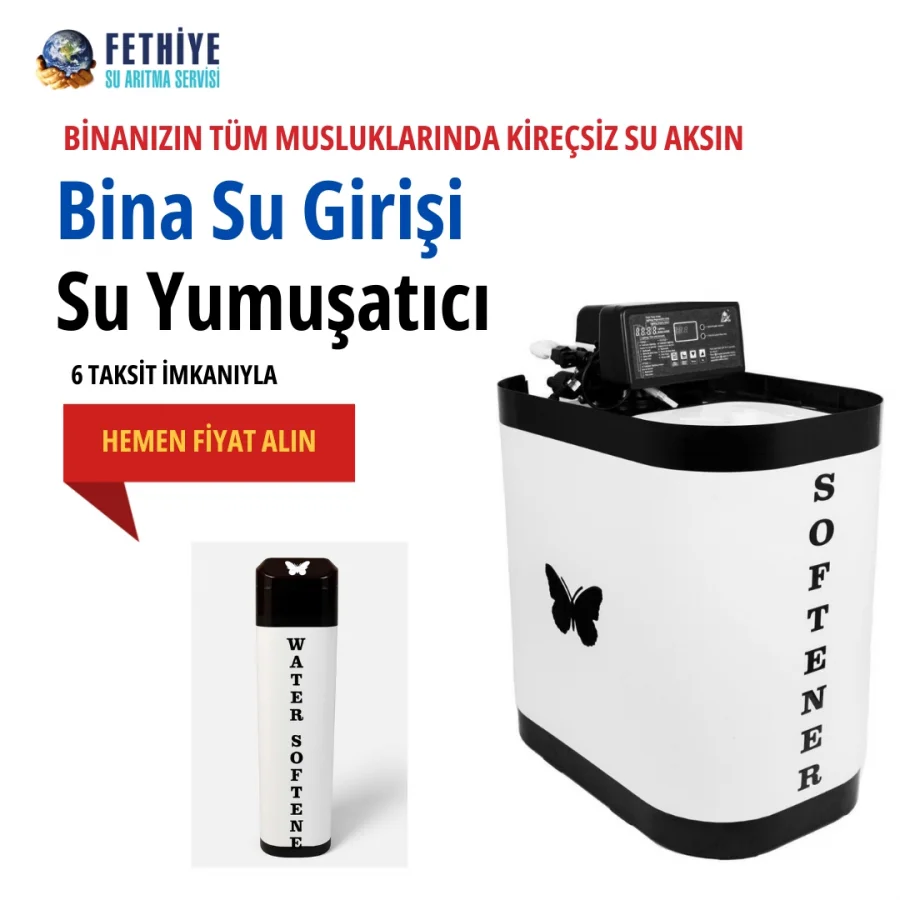
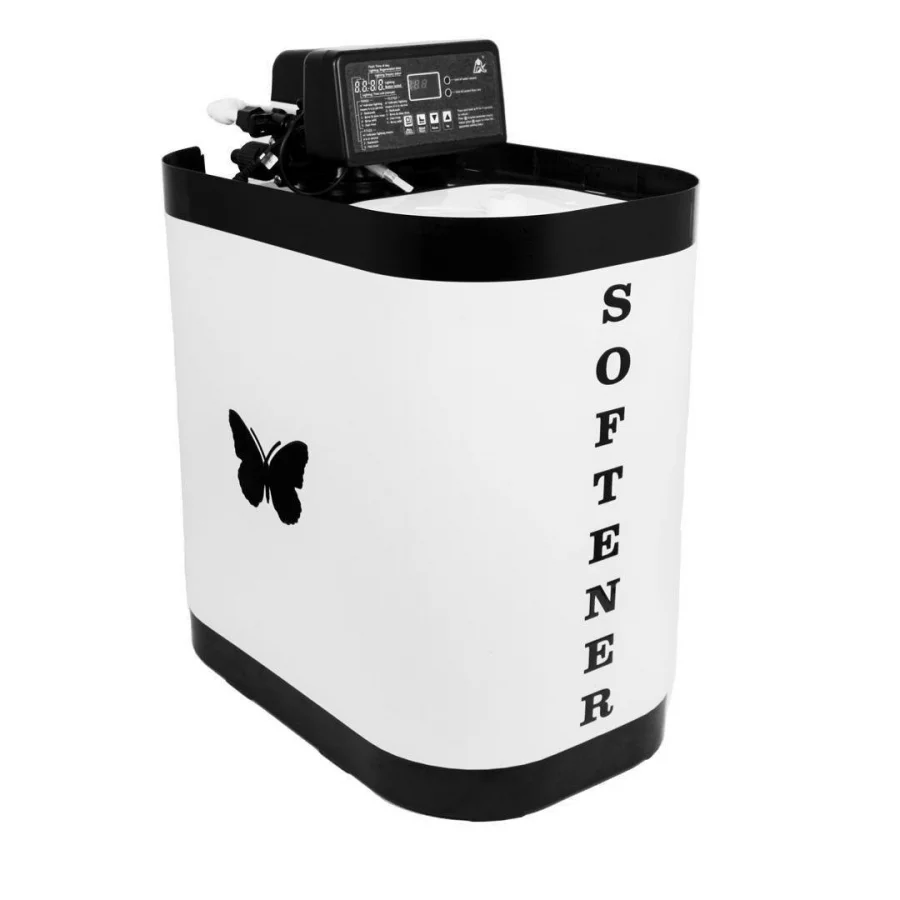
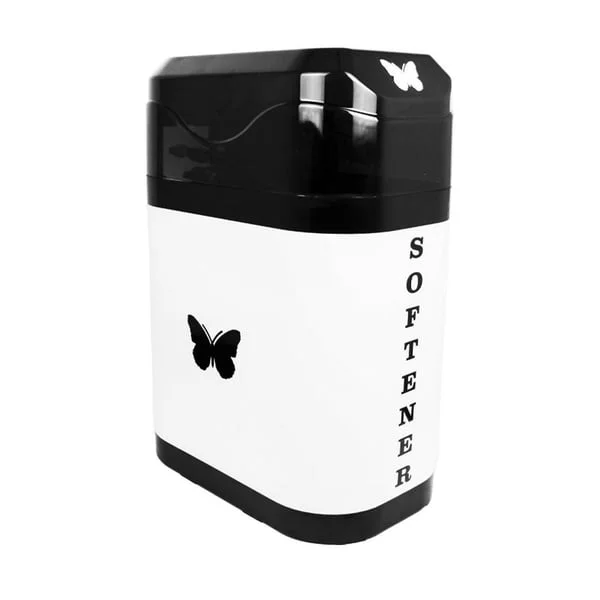
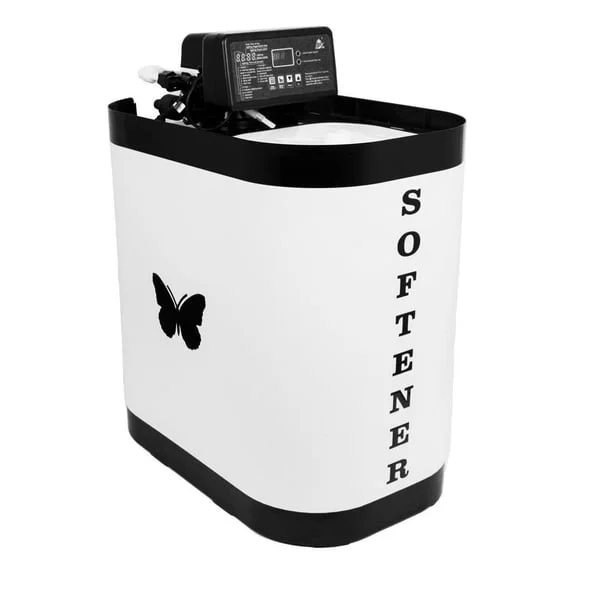
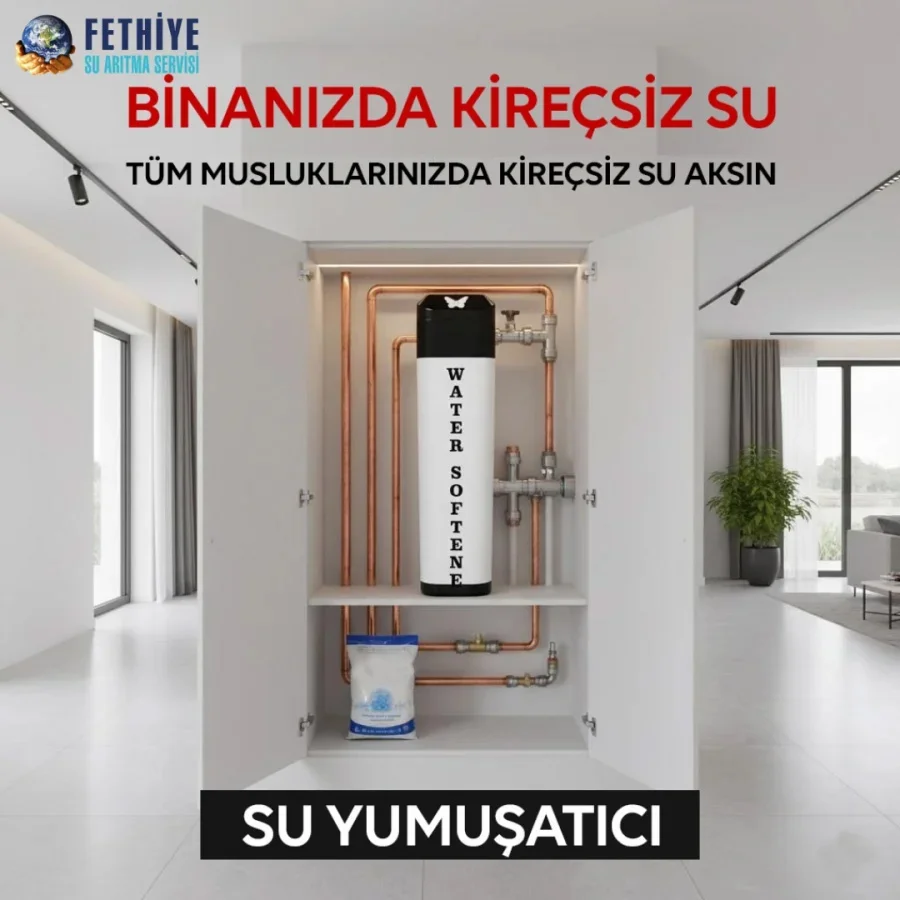
Roben Mini Building Water Softener
Building Water Softening Systems
Building water softening systems are increasingly preferred in many areas to solve problems caused by hard water.
The applications of this technology range from daily life to industrial uses. Below are the main usage areas and benefits of water softening devices.
Features
It is an automatic valve water softening system that can be connected to apartment, detached house, and flat entrances.
⚙️ Technical Specifications
| Feature | Value | Description | Tag |
|---|---|---|---|
| Resin Volume | ≈ 8–16 L (Depending on model) | Capacity depends on resin volume. | Capacity |
| Service Flow Rate | ≈ 1.0–1.8 m³/h | Ideal for residential and small commercial use. | Flow |
| Operating Pressure | 2–6 bar (Recommended) | Pressure reducing valve (PRV) recommended for pressure fluctuations. | Stable |
| Connection | 1” (Typical) / Depending on model | Inlet and outlet directions are clearly marked. | Standard |
| Valve Type | Time / Meter controlled | Saves salt and water with smart regeneration. | Efficiency |
| Salt Consumption | ≈ 0.8–1.8 kg / Regeneration | Varies depending on device settings and water hardness. | Economy |
| Electrical | 220V AC Adapter | Low power consumption. | Low Power |
| Footprint | Compact Cabinet | Easily fits into kitchens or technical rooms. | Compact |
Note: The technical sheet of the selected product variant should be referenced for final dimensions, connections, and capacity values.
???? Capacity & Selection Guide
To choose the right device size, you should base it on daily water consumption and water hardness (°dH or ppm CaCO₃) data.
| Model | Resin | Recommended Service Flow Rate | Typical Use | Salt / Regeneration | Tag |
|---|---|---|---|---|---|
| Mini-10 | ≈ 10 L | ≈ 1.0–1.2 m³/h | 1–2 Bathrooms | ≈ 0.8–1.2 kg | Economical |
| Mini-12 | ≈ 12 L | ≈ 1.2–1.5 m³/h | 2–3 Bathrooms | ≈ 1.0–1.4 kg | Popular |
| Mini-16 | ≈ 16 L | ≈ 1.5–1.8 m³/h | 3+ Bathrooms | ≈ 1.4–1.8 kg | Balanced |
???? Quick Capacity Calculation (Approximate)
- Daily Hardness Load (°dH·m³) = Daily water consumption (m³) × Hardness (°dH)
- Efficiency: 1 Liter of resin can handle approximately 4–6 °dH·m³ load, depending on the device setting.
- Tip: For heavy use, selecting a higher capacity model increases system efficiency and device lifespan.
????️ Installation & Initial Setup
Correct initial setup is crucial for trouble-free operation. Follow the steps below:
- Connection: Install with a by-pass valve and verify the water inlet/outlet directions.
- Salt Filling: Fill the salt tank with tablet salt and check the brine level.
- Valve Settings: Enter water hardness, regeneration type (time/meter), and salt dosage settings into the valve.
- Initial Regeneration: Start the first regeneration manually. Monitor the brine draw and rinse steps to ensure smooth operation.
- Flushing the Line: Flush the line to the drain for 5–10 minutes before putting the device into service.
- Pressure Check: Low inlet pressure (≤2 bar) can reduce regeneration performance. Consider a booster pump if necessary.
???? Maintenance & Operation
Pay attention to periodic maintenance for a long-lasting and optimal performing device:
- Salt Check: Regularly check the salt level. Always use tablet salt to prevent residue buildup.
- Pre-Filter Maintenance: If a pre-filter is installed before the system, replace its cartridge every 3–6 months based on pollution levels.
- Annual Maintenance: Clean the brine tank and inspect the injector once a year.
- Resin Lifespan: Typical resin lifespan is 5–10 years (This depends heavily on water quality and maintenance routines).
- Savings Tip: Setting a higher salt dose than necessary does not improve water quality; an optimal setting saves both salt and water.
Related Products
Fethiye Water Purification Service
Welcome, how we may help you? 03:01